






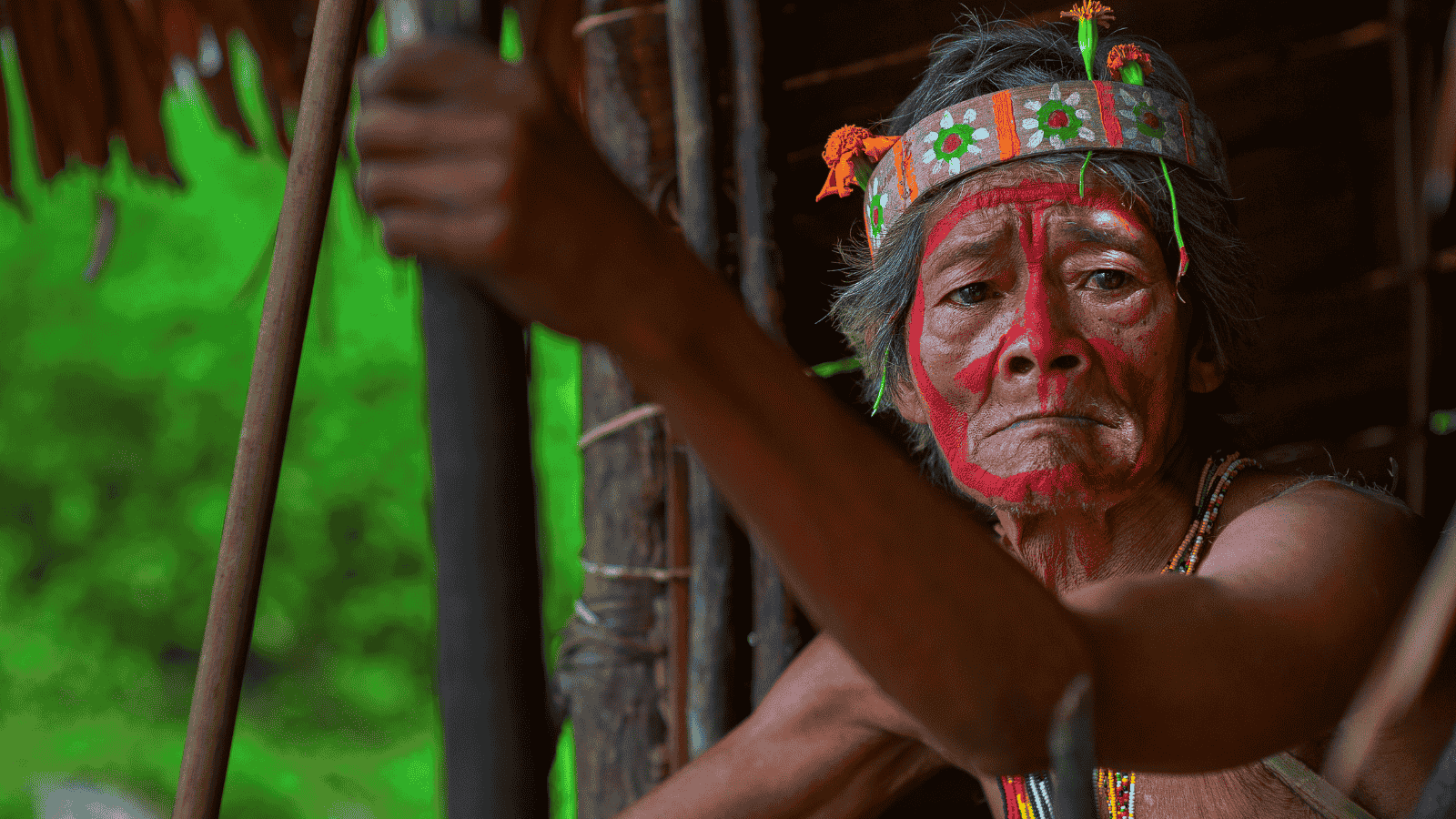
The Amazon rainforest is one of the most culturally diverse regions in the world, home to numerous indigenous communities whose traditions are closely connected to nature and collective values. Over many generations, these cultures have developed ceremonial practices and symbolic elements that reflect their understanding of balance, environment, and community life. Such traditions represent not only historical heritage but also living knowledge passed down through careful observation and experience.
In recent years, interest in indigenous cultures has grown significantly. Many people now seek reliable and well-structured information that presents these traditions with accuracy and respect. Educational platforms play an important role in preserving this heritage by focusing on cultural background, historical context, and symbolic meaning rather than interpretation or promotion. One example of such an informational resource is https://aynirape.com/, which provides detailed insights into Amazonian traditions, their origins, and the principles that guide indigenous practices. The platform emphasizes awareness, cultural continuity, and responsible learning.
Symbolic Practices and Cultural Context
Within Amazonian societies, ceremonial traditions are deeply woven into communal life. These practices are not viewed as everyday activities but as meaningful expressions of ancestral knowledge and cultural identity. Each element involved carries symbolic significance and is understood within a broader cultural framework. Appreciating these traditions requires context, explanation, and respect for their origins.
Informational resources that provide background details help readers understand how symbolic practices relate to reflection, community values, and the natural world. This approach allows for deeper appreciation without oversimplifying or misrepresenting cultural meaning.
Educational Access to Traditional Knowledge
Some educational platforms also offer structured overviews of specific traditional elements used within Amazonian cultures. A dedicated section such as https://aynirape.com/shop/rape presents contextual information that helps readers explore traditional preparations from an educational perspective. Rather than focusing on use or promotion, such sections aim to explain origins, cultural relevance, and traditional frameworks in which these elements exist.
This type of presentation supports thoughtful learning and encourages respectful engagement with indigenous heritage. By offering clear descriptions and cultural context, educational collections help preserve the integrity of traditional knowledge.
Respect, Ethics, and Modern Awareness
Sharing indigenous traditions in the modern world requires a careful and ethical approach. Respect for cultural origins, transparency, and accurate representation are essential to maintaining authenticity. Educational resources that prioritize these values help prevent misunderstanding and support cultural preservation.
When individuals choose platforms that emphasize learning and context, they contribute to responsible cultural exchange and greater awareness of indigenous heritage.
Conclusion
Amazonian cultural traditions represent a living legacy shaped by centuries of knowledge, experience, and respect for nature. Learning about these traditions through reliable educational resources allows modern audiences to better understand their significance while honoring the communities that preserve them.
Platforms that focus on cultural context, awareness, and ethical presentation play a key role in ensuring that indigenous knowledge continues to be shared responsibly and respectfully with a wider audience.